Toys are how I expose the thinking problem we’ve now normalized.
From tots to teams, the thinking we practice now
shapes what comes next.
homes → schools → teams → culture → future
I thought I understood play. I didn’t realize how often I was steering it. Watching Charlene work made me notice things I can’t unsee now, not just with toys, but with how, as a person, I respond to questions and ideas.
SHANNON
About Charlene DeLoach
WE STOPPED PRACTICING HOW TO THINK
At some point, we stopped prioritizing problem-solving and started prioritizing production. Adults were taught to follow systems instead of question them. Teams were rewarded for execution, not exploration. Kids were encouraged to consume instead of create.
That shift didn’t come from bad intentions, but from tools, products, and systems designed to be used one way and moved on from quickly.
You can see it early in how kids are taught to play. When toys are treated as objects with a correct outcome, children learn to wait for instructions instead of experimenting. That habit carries forward into classrooms, careers, and workplaces shaped by automation and AI.
Charlene DeLoach works at the point where that pattern can be interrupted.
She helps teams, organizations, and families see where they’ve been trained to treat things as finished instead of flexible, and how that shows up in how they use tools, ideas, products, and people.
STOP ASKING WHAT IT DOES. START ASKING WHAT YOU CAN DO WITH IT.
Charlene doesn’t start with theory or best practices. She starts by shifting how people look at what’s already in front of them.
Using toys as a reference point, she makes a familiar pattern visible: the assumption that things have one intended use, one correct outcome, one right way to work. Once that assumption is exposed, people begin to notice it everywhere in products, processes, roles, content, and decisions.
That shift changes how teams, leaders, and families approach problem-solving. Instead of defaulting to instructions or design intent, they begin asking better questions about what’s possible, and how much more can be done with what they already have.


Follow Me On Social
Parents

@PlayroomChronicles

@PlayroomChronicles

PlayRoomChronicles

@PlayroomChronicles
Professionals
@TheTOYPRENEUR

@Charlene DeLoach
@THETOYPRENEUR
What stood out wasn’t the toys. It was how quickly the girls defaulted to instructions. Charlene surfaced a pattern we recognize in our work every day, but hadn’t named before.
Girls EntrepreneurShip Summer Program

Charlene's Speaking Topics
THE DAY TOYS STOPPED TEACHING US HOW TO THINK
Why modern toys shifted from invitations to instructions, and how that change trained a generation to consume instead of create.
When wE OPTIMIZED THE FUN OUT OF PLAY
How efficiency, performance, and “educational value” quietly replaced experimentation and reshaped humans lives.
YOU DON’T NEED BETTER TOYS. YOU NEED BETTER QUESTIONS.
How changing the way kids respond during play can reopen curiosity, and independent thinking without buying or fixing anything.
WHY DO YOU THINK YOUR PRODUCT ONLY WORKS ONE WAY?
What children’s toys reveal about single-use thinking, and how off-label learning can transform how people design, use, and learn from products.
WE TAUGHT KIDS TO CONSUME BEFORE CREATE
How play became something to watch instead of do, and why reversing that pattern matters for creativity, problem-solving, and the future of work.
WHEN PLAY WAS LEFT ALONE By Society
What independent play looked like when kids were trusted to explore, before play was packaged as a product, and toys shifted from tools to transactions.
View My Portfolio of Work
1
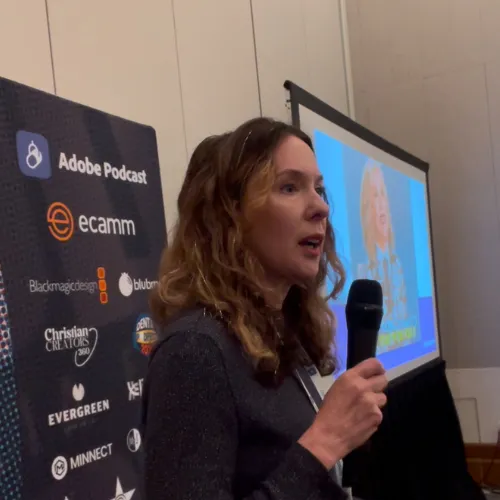
PODFEST 2025
2
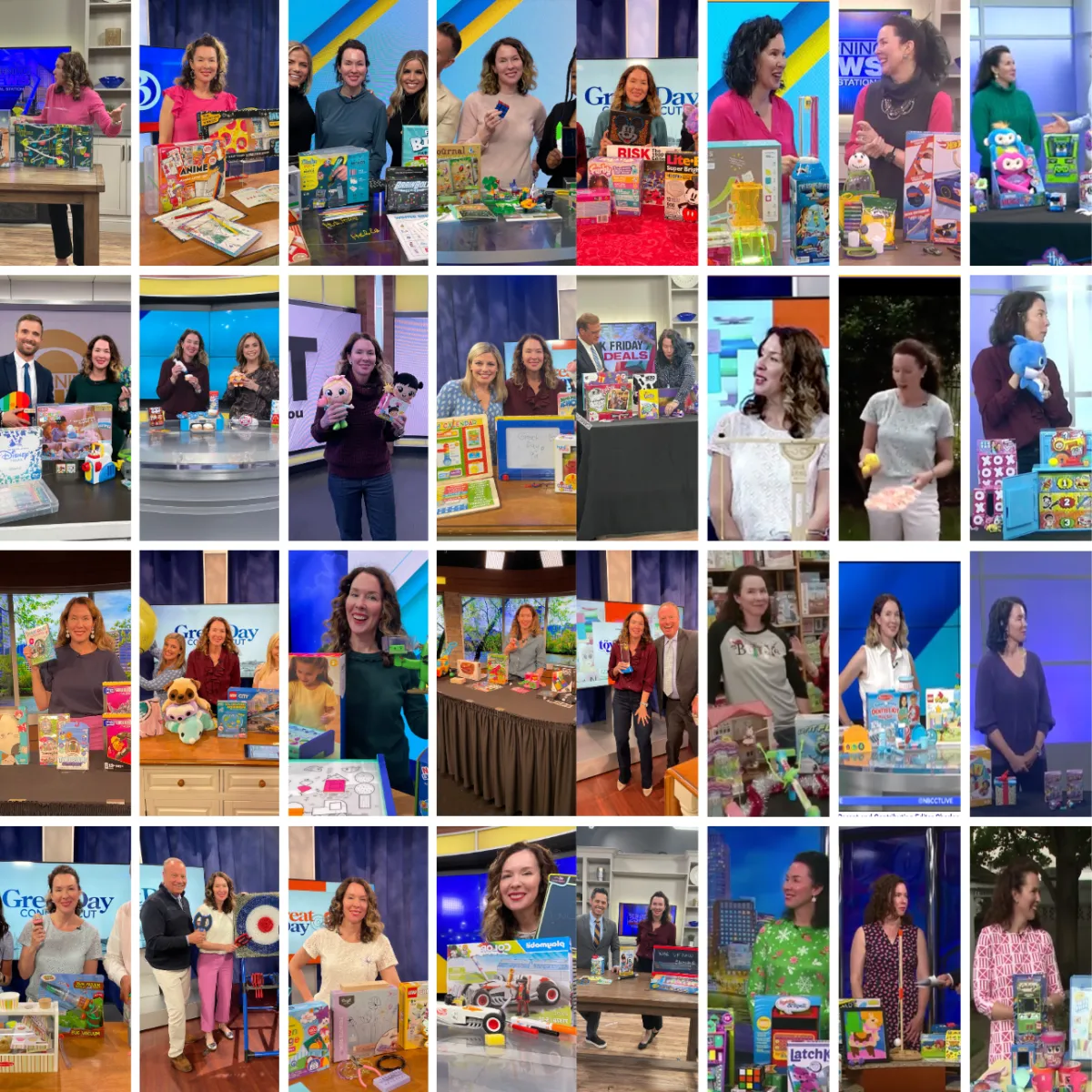
175+ TV Segments and Counting
3
Spreading the Toy Joy

This wasn’t a talk people applauded and forgot. It followed them into the rest of the event.”
Nick, PodFest
© COPYRIGHT 2026 CharleneDeLoach.com